
Fundamentals
MMA Stance: Balance Striking, Takedowns, and Movement
Build an adaptable MMA stance that lets you strike, defend takedowns, hand-fight, and move without crossing your feet.
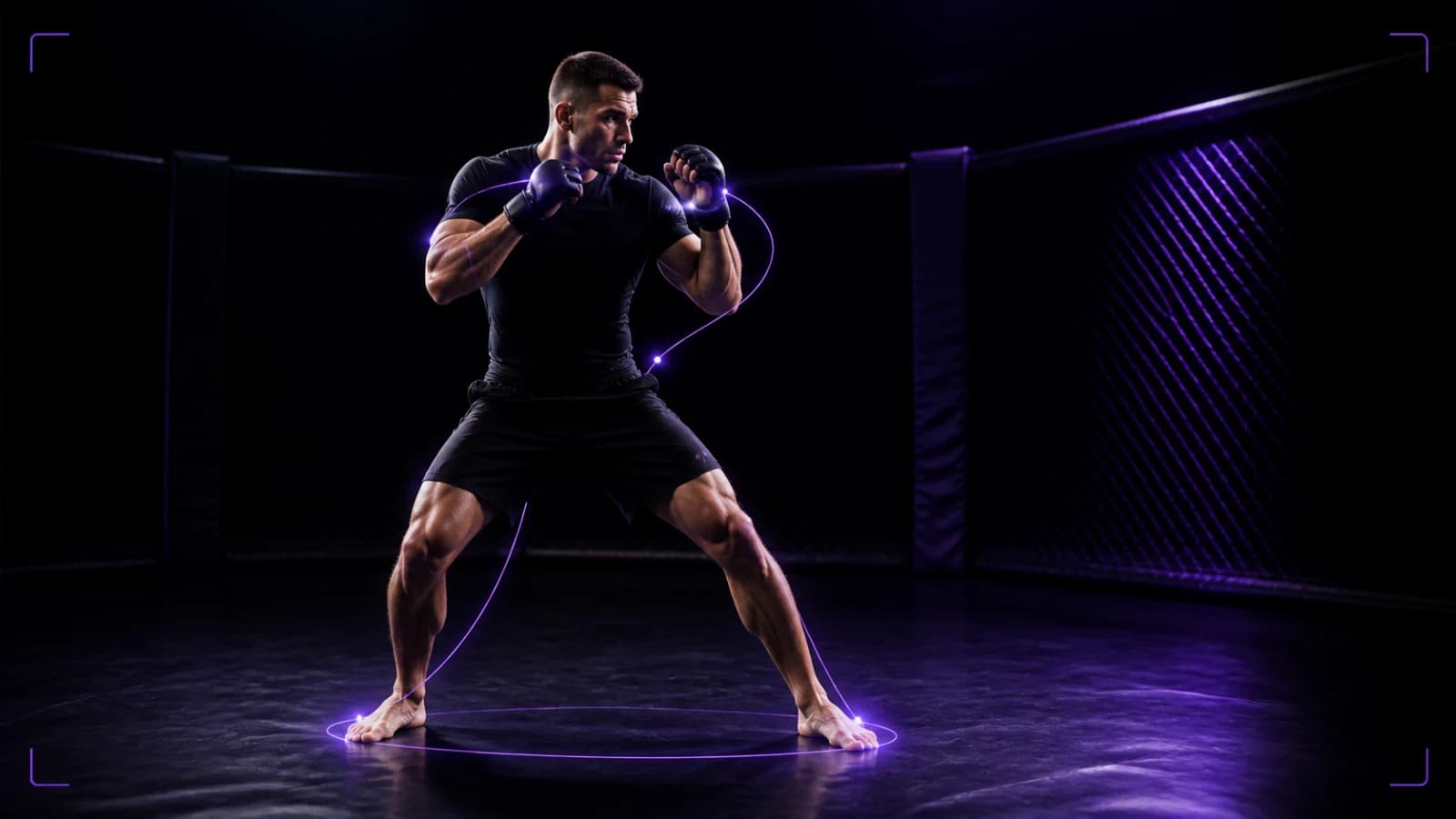
An MMA stance must let you strike, defend a level change, hand-fight, and move in every direction. Stand with the feet staggered but not on one line, keep the knees soft, distribute pressure so you can push from either foot, tuck the chin, and hold the hands where they can protect your head and meet an opponent’s grips. No single stance fits every range, so learn to adjust without losing balance.
Practise with a qualified MMA coach. Use controlled drilling and suitable protective equipment; an article cannot set a safe contact level for you.
Build the base
Start near shoulder width, then move one foot back. Keep enough lateral width that a straight push does not knock your feet onto one rail. Point the lead foot mostly forward and let the rear foot turn out enough for balance and hip rotation.
Avoid sitting heavily on either leg. Too much lead-leg weight can make kicks and level-change defense slower. Too much rear-leg weight can make forward movement and punching feel disconnected.
| Stance check | Useful position | Common problem |
|---|---|---|
| Width | Stable side to side | Feet stand on one line |
| Length | Short enough to sprawl or step | Long boxing stance traps the rear leg |
| Knees | Soft and ready | Locked upright posture |
| Hands | Protect and hand-fight | Both hands glued high and unavailable |
| Chin | Tucked with eyes forward | Head leans past the lead knee |
Adapt from striking range
At longer range, the stance may lengthen slightly for kicks and straight punches. Keep the lead leg light enough to check, retreat, or lift. Return to a more compact base when the opponent closes distance.
Do not copy a pure boxing stance without accounting for kicks and takedowns. A very bladed lead leg can reduce the target for punches but expose the leg or make square takedown defense harder. A fully square stance can improve access to both legs but widen the striking target. Your coach should help you choose the trade-off for your style.
Lower the level without bending at the waist
When you anticipate a takedown, lower through the knees and hips while keeping the chest organized. Bring the hands into a position where they can frame, post, or fight grips. Do not reach both arms forward and leave the head unprotected.
Practise moving from normal striking height to a lower defensive stance and back without hopping the feet together.
Move without crossing your feet
The foot nearest the direction starts, and the other foot restores the stance. Move right with the right foot first; move left with the left foot first. Forward and backward steps follow the same principle.
Small steps preserve options. Long reaches make the stance narrow during the step, which is exactly when an opponent may punch, kick, or change levels.
Switch stance deliberately
Stance switches can open attacks and exits, but a switch is not free. Keep the head protected, know which foot lands first, and finish in a base you can defend from. Drill the transition alone before using it in partner rounds.
The IMMAF rules provide current amateur competition context and safety requirements. Your gym should apply the ruleset and contact restrictions relevant to your event and experience.
A five-minute stance drill
- Hold stance and let a partner apply light shoulder pressure from four directions.
- Step forward, back, left, and right without crossing.
- Add one jab after each step.
- Add one coached sprawl or level-change response.
- Film the final minute and review only foot width and head position.