
Technique
Dirty Boxing in MMA: Clinch Punches, Elbows and Defense
Learn dirty boxing for MMA: build collar-tie and underhook frames, land short punches and elbows, follow the Unified Rules and drill safe defense.
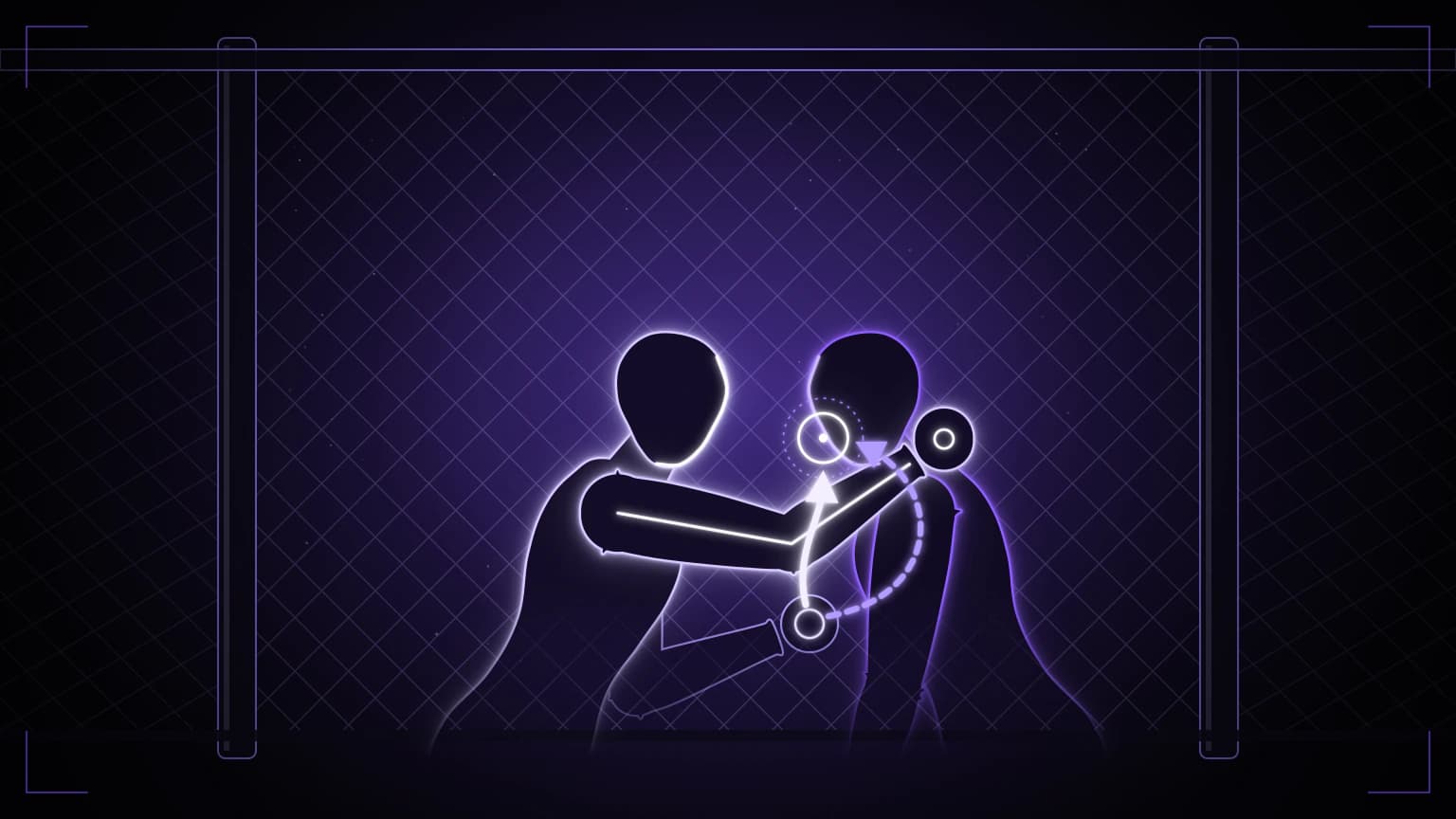
Dirty boxing in MMA means striking from the clinch while you use ties, underhooks, head position, and frames to control distance. Build the position first, keep every punch and elbow short, strike legal targets, and recover your hands before your opponent changes level or turns you into the cage.
The phrase sounds chaotic, but effective clinch boxing depends on precise structure. You need a stable MMA stance, inside hand position, clear target awareness, and an exit plan. Use this guide for technical training with a qualified coach and a cooperative partner before you add live resistance.
Build a frame before you punch
Your first job in the clinch is to create enough structure to strike without giving away your balance. Use your forehead, forearm, shoulder, collar tie, or underhook to keep your opponent from folding you, turning you, or reaching both hips.
Keep your feet under you. If your upper body leans far beyond your base, your opponent can pull, snap, or level-change while your hands stay busy. Bend your knees, keep your hips ready to move, and feel where the pressure travels through your feet. The MMA moves list names the other clinch ties, knees and takedowns you can chain from this position, with the rule that limits each one.
Aim for inside position. An underhook can lift one side of your opponent's frame and help you turn them. A collar tie can guide posture when your elbow stays close and your grip follows your gym's safety rules. A forearm frame can create a narrow lane for a short punch while protecting your head.
Avoid pulling on the back of a partner's head during unsupervised work. Your coach should set the grip, pressure, and permitted responses. Release immediately when your partner taps or asks to reset.
Use the collar tie as a steering grip
Place the tying hand where your coach teaches, keep your elbow inside, and use the grip to steer rather than hang your bodyweight from the neck. Your free hand can frame, pummel, punch, or protect against the opponent's free hand.
Move your feet with the tie. A stationary grip gives your opponent time to pummel inside or attack your body. Take a small angle as you guide the head, then place the short strike through the space you created.
Watch the opponent's posture. When they regain an upright spine and inside hand position, the opening closes. Return to hand fighting and create a fresh lane.
A collar tie also exposes you to body locks and level changes when your elbow drifts wide. Keep your hips ready to move back and your free forearm available to frame.
Turn an underhook into striking space
Thread your arm inside and lift through the opponent's shoulder line without reaching your hand high behind their back. Keep your elbow connected to your ribs and your head under their jawline or beside their head as your coach directs.
The underhook helps you turn the opponent and pin one shoulder. Once you earn that angle, the free hand can deliver a short hook, uppercut, or body punch. Strike only while your base supports the action.
An underhook loses value when you stand tall and let the opponent clamp your elbow. Drop your level, keep the shoulder active, and move your feet. If the opponent wins a whizzer or circles out, return to position before you throw again.
Against the cage, keep an inside foot available. That foot helps you turn, trip, or follow when the opponent tries to escape. The same position connects dirty boxing to the takedown work in the striking to takedown transitions guide.
Throw short punches from the clinch
Short punches travel through small openings. Keep your elbow close, turn your hip enough to support the strike, and return the hand to a useful frame or guard.
Use the uppercut through the middle
Create a narrow lane between the opponent's arms. Drive from your legs and rotate through your torso while the glove travels a compact path. Keep your head protected by your other hand, shoulder, or frame.
Avoid dropping your hand below your waist to load power. That wind-up gives the opponent time to close the lane, frame your face, or attack your hips.
Use the short hook around the guard
Keep the arc small. Your forearm and glove should arrive together while your elbow stays under control. Turn your feet and hips rather than swinging your arm around your opponent.
Body hooks can draw the elbow down and open the head. Head shots require the contact level and protective equipment your coach sets. Use pads before partner contact.
Use the shoulder bump to make room
A legal shoulder frame can shift posture and create space, while a head butt remains a foul under the Unified Rules. Keep your forehead for position and awareness. Never drive it as a strike.
Add elbows only under the right rules
Elbows need less travel than punches, which makes them effective at clinch range and risky in training. Use elbow pads, a coached target, and a controlled speed. Many gyms keep live elbows out of ordinary sparring.
The current ABC Unified Rules of MMA removed the old downward-elbow foul in its July 2024 amendments. Legal target rules still apply. The same document bans eye gouging, strikes to the spine or back of the head, directed throat strikes, and attacks after the referee stops action.
Event rules can differ by commission, amateur status, and jurisdiction. Ask which rules control your bout before you train an elbow as a competition option.
Know the clinch rules that change your choices
Use the ABC document as the current Unified Rules reference, then confirm the commission that sanctions your event.
| Clinch action | Unified Rules treatment | Training implication |
|---|---|---|
| Short punch to a legal target | Legal when the strike avoids listed fouls | Keep the target visible and your hand under control |
| Elbow to a legal target | Legal under the current foul list | Use pads and coach-set contact in practice |
| Head butt | Foul | Use your head for position without striking |
| Strike to the spine or back of the head | Foul | Stop the combination when the opponent turns |
| Directed throat strike | Foul | Aim for legal head and body targets only |
| Grab the fence to control position | Foul | Frame on the cage with an open hand without hooking fingers into it |
| Punch while holding glove material | Foul when the grip controls the glove itself | Grip the hand only in the manner the rules allow |
The rules also allow the referee to break fighters when neither athlete makes real, sustained progress toward a finish. Clinch control therefore needs productive work. Position, strike, turn, attempt a takedown, or exit with purpose.
Run each situation through the MMA legal strike checker when you need to review a target and position. The tool quotes the current ABC foul definitions.
Defend dirty boxing with position first
Keep your forehead connected to the opponent's jawline, temple, or shoulder area as your coach teaches. Head position helps you feel the turn and makes a clean punching lane harder to find.
Fight for inside hands. Pummel an arm inside, frame across the collarbone, or control the biceps. Your goal is to shorten the opponent's free path while you rebuild posture.
Move your feet before you pull with your arms. If your back touches the cage, turn your lead foot outside, place an underhook, and circle your hips away from the panel. Avoid crossing your feet while the opponent carries pressure into you.
Protect the level change. A high double collar tie can open your hips. Keep one hand ready to frame and lower your base when you feel the opponent drop. The double-leg takedown guide shows the entry you need to recognize.
Exit behind a frame or strike. Shoving straight away with both arms extended leaves your head and hips open. Build a frame, take an angle, and return to stance with your hands ready.
Fix the common mistakes
You punch before you control posture
Win one useful frame or tie first. If the opponent can stand, turn, and level-change freely, return to hand fighting.
You wind up every shot
Shorten the path. Let your legs and torso support the strike while the glove travels only through the available lane. Practise on a small focus mitt before you add partner movement.
You stare at the target
Keep a broad view of the head, shoulders, hips, and cage. A body punch can land while the opponent starts a takedown. Read the whole frame.
You stay in the clinch after the opening closes
Exit or change the position. Dirty boxing works through brief openings. Forcing another shot can cost the underhook, your balance, or your back position.
You forget the opponent's free hand
Track both arms. A collar tie controls one part of the frame. Use your other hand, shoulder, or angle to account for the opponent's free strikes.
Drill the position safely
Pummel and freeze
Pummel for inside position at low resistance. When either partner wins an underhook and useful head position, freeze. Check feet, hips, and the free hand, then reset.
Frame and touch
Wear large gloves. One partner builds a collar tie or underhook frame and touches a legal body target with a short punch. The other partner keeps posture and returns to inside position. Use light contact.
Cage turn to mitt
Place a partner safely near the cage while a coach holds a mitt on the open side. Win the underhook, turn the partner, touch the mitt with a compact punch, and exit. Keep fingers outside the fence.
Add one defensive response
Let the defender pummel, frame, or change level after the first strike. The attacker must recover guard and choose whether to strike again, defend, or exit. This constraint keeps the drill connected to MMA decisions.
Review MMA combinations before you add longer sequences. A clean two-action exchange gives you more useful feedback than a long burst that loses position.
Get quick answers
What is dirty boxing in MMA?
Dirty boxing combines clinch control with short punches and, under suitable rules, elbows. You use ties, underhooks, frames, head position, and footwork to create a brief striking lane.
Can you hold and punch in MMA?
Yes, when you use a legal clinch grip and strike a legal target. The Unified Rules ban controlling an opponent by holding only the glove material and ban several targets and actions.
Are elbows legal in an MMA clinch?
The current Unified Rules permit elbows to legal targets and list the actions that create fouls. Your commission or amateur rules may add restrictions, so confirm the event rules.
How do you defend dirty boxing?
Rebuild posture, fight for inside hands, use head position, move your feet, and exit behind a frame. Keep your hips ready for the takedown while you defend the strike.