Beginner guide
How to Fight: Beginner Skills for Safe Gym Training
Learn stance, guard, footwork, punches, defense, takedown defense, and safe sparring through the same progression a qualified gym uses.
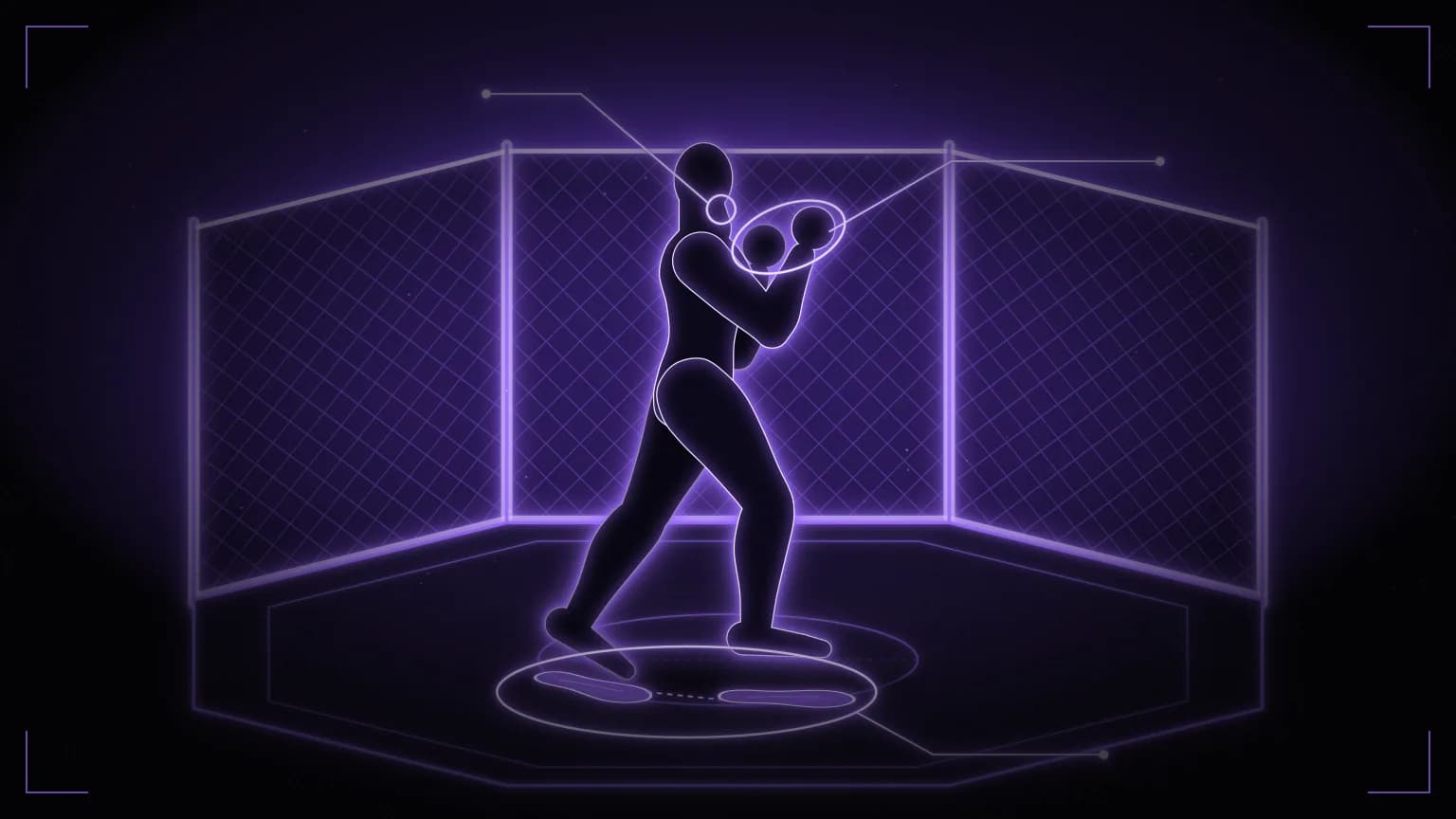
Learn how to fight by joining a qualified combat-sports gym and building stance, guard, footwork, straight punches, defense, takedown defense, and safe ways to stand up. Practise each skill through coached drills before you add controlled sparring, and avoid physical confrontation outside the gym whenever you can leave safely.
This guide uses boxing and wrestling fundamentals as a practical starting point for MMA training. It does not prepare you for a street fight, replace a coach, or settle the law where you live. Your gym should set the contact level, equipment, partner match, and sparring rules.
Learn the gym progression first
A good beginner class reduces uncertainty before it raises pressure. You learn a stable position, repeat one movement, add a partner with a known role, and then make the drill more open. Sparring comes after you can protect yourself, follow commands, control contact, and help a partner learn.
| Stage | What you practise | What your coach should check | When to progress |
|---|---|---|---|
| Solo movement | Stance, guard, steps, pivots, punches, level changes, and standing up | Balance, posture, foot order, hand return, and control | You can repeat the motion without losing your base |
| Pads and targets | Jab, cross, defense, entries, and exits | Target, distance, recovery, and safe power | You can hit the assigned target and stop on cue |
| Cooperative partner drill | One known attack and one known defense | Timing, positioning, partner care, and reset | Both partners can complete their roles cleanly |
| Constrained resistance | A small choice, such as jab or cross, shot or no shot | Recognition, composure, and correct response | You keep technique and control as choices change |
| Technical sparring | A limited round under gym rules | Defense, decision-making, contact, and conduct | Your coach decides that you can handle the next level |
Read the guide to starting MMA before your first class. It covers how to choose a gym, what gear to buy, and how to structure your early weeks.
Build a fighting stance and guard
Stand where you can strike, defend a takedown, and move in every direction. Place one foot forward, keep enough width for balance, bend your knees slightly, and distribute your weight so either foot can move. Your MMA coach may set your stance a little squarer than a pure boxing stance because you also need to check kicks and defend shots.
Keep your hands high enough to protect your head and close enough to return after a punch. Lower your chin without folding your posture. Look at the opponent's upper body so you can read shoulders, hips, hands, and level changes without staring at one glove.
The England Boxing coaching handbook teaches a balanced guard position and repeatedly asks the boxer to return the hand to guard after straight punches. MMA changes the stance for kicks and takedowns, but balance and hand recovery still matter.
Use the MMA stance guide for a detailed setup. Test the stance with four actions: step forward, step back, move sideways, and lower your level. If you must bring your feet together before one of them, ask your coach to adjust the width or weight distribution.
Move without crossing your feet
Step with the foot nearest the direction you want to travel, then bring the other foot back under your base. When you move forward, the lead foot goes first. When you move back, the rear foot goes first. For a side step, the foot on that side begins the movement.
Keep each step small enough that you can stop or change direction. Avoid hopping into every action because a predictable bounce can make your base unavailable when an opponent attacks your legs. Use pivots to turn away from the center line and create a new angle for the jab or exit.
Practise with a line on the floor. Move along it while you keep the same stance width, then add a coach's direction cue. The MMA footwork guide shows how to connect these steps to range and angle changes.
Learn the jab and cross
The jab comes from the lead hand. Extend it on a direct line, let the lead shoulder protect your chin, keep the rear hand responsible for defense, and return the hand to guard. Use it to find range, interrupt movement, or set up the rear hand.
The cross comes from the rear hand. Turn the rear foot and hip as your rear hand travels straight to the target. Keep your base under you and return the hand along a useful line. The England Boxing handbook flags over-rotation, leaning forward, losing the rear-foot connection, and failing to return the hand as common errors.
Build the pair in this order:
- Touch the jab to a focus mitt and recover your guard.
- Throw the cross alone while your coach checks the rear foot and hip.
- Connect jab to cross without letting your stance narrow.
- Add one step before the jab.
- Add one exit after the cross.
Finish every combination in a position where you can see, defend, and move. The MMA combinations guide can add choices after your jab-cross stays balanced.
Defend punches with simple answers
Defense begins with position and distance. Your guard gives you a last line, while footwork and head movement help you avoid staying on the attacker's path.
Block and cover
Keep your glove close to your head and receive the punch on the protected area your coach identifies. Hold your posture and look through the guard. Avoid reaching across your face or turning so far that you lose sight of the next action.
Parry
Use a small hand movement to redirect a straight punch. Meet the line late enough that you do not chase the glove, and keep the other hand in guard. Return the parrying hand quickly.
Slip
Move your head just outside the straight punch while your stance stays underneath you. Bend through your knees and hips instead of folding at the waist. The England Boxing handbook treats head defense as a balanced movement that must recover to a usable position.
Drill one defense against one slow punch. Then let your partner choose jab or cross while you use the assigned answer. Keep the exchange light and stop after the defense until both people can recognize the line.
Defend a basic takedown
MMA adds a second threat: the opponent can change levels and attack your legs or hips. Begin with stance and distance. Keep your hands available, watch the opponent's level, and avoid reaching so far with a punch that your hips trail behind your shoulders.
USA Wrestling's Core Curriculum places lines of defense, the sprawl, and the stand-up among foundational skills. In a basic sprawl drill, meet the entry with your hands or forearms, send your legs away from the shot, place your hips where your coach directs, and keep your chest from collapsing over the attacker.
The drill should begin on a mat with a partner who enters at an agreed speed. Protect both people's necks and knees. Do not drop your weight blindly. Your coach should teach the head position, hip pressure, foot recovery, and route back to stance.
Use the MMA sprawl guide for the movement sequence. Then practise the entry side through the double-leg takedown guide so you understand what the attacker needs and how the defender can remove it.
Get up without giving away your balance
When you reach the floor, protect your head, create space, and stand under your gym's rules. A common technical stand-up begins from a seated base with one hand posted behind you, the opposite hand protecting the line in front, and one foot planted. Lift your hips, draw the free leg underneath you, and rise into stance while you keep your eyes forward.
Learn the movement alone on a mat. Then add a partner who holds a pad and gives you a clear direction to face. Later, your coach may teach wall get-ups, guard recovery, and how strikes change the position.
Avoid turning your back, standing with both hands on the floor, or rising straight into a partner's reach. The exact answer depends on the ground position, cage, rules, and opponent, so treat one technical stand-up as a foundation rather than a universal escape.
Train against a bigger partner with skill and rules
Size and strength affect every range. Technique can improve your decisions and efficiency, but no drill guarantees that you can overcome a larger person. Use a supervised gym where the coach can match partners by size, experience, and control.
Against a larger training partner, prioritize distance, angles, a stable base, and early defense. Avoid trading power for power. Use the jab and footwork to manage range, frame in the clinch as your coach teaches, defend the takedown before the partner connects deeply, and work toward a safe stand-up when you reach the floor.
Constrained rounds help. Ask the larger partner to use a limited attack at technical speed while you practise one response. Reset after the position. The goal is to improve recognition and movement without turning a size mismatch into a test of toughness.
Spar with a coach and clear rules
Sparring teaches you to read a resisting partner, but it also adds impact and uncertainty. Your coach should decide when you begin, who you work with, what equipment you wear, and which techniques or targets the round allows.
Start with technical rounds that constrain the task. You might use jab-only boxing, touch contact, wall-position work without strikes, or takedown entries that stop before the finish. A narrow round gives you a real decision while keeping the training goal visible.
Follow every stop command immediately. Tell your coach if contact rises beyond the agreement. Stop if you feel pain, dizziness, confusion, vision changes, numbness, or loss of balance. The CDC concussion guidance says to remove an athlete immediately when a concussion is suspected and keep them out until a healthcare provider clears the return.
Put self-defense before fighting
Your safest first choices are awareness, distance, calm communication, an exit, and help. The CISA de-escalation guide advises maintaining safe distance, avoiding isolation with a combative person, leaving when violence appears imminent, and seeking help.
If you can leave safely, leave. Move toward people, staff, security, or a well-lit public place. Call local emergency services when you face immediate danger. Give up property when that choice creates a safe exit. Physical skill cannot make weapons, multiple attackers, hard surfaces, or legal consequences predictable.
Self-defense laws vary by country, state, and locality. Learn the rules from an official government source or a qualified local lawyer. This article gives training guidance and does not tell you when local law permits force.
Read the martial arts for self-defense comparison to see why live, controlled practice matters and where every sport leaves gaps.
Fix common beginner mistakes
You lean over the front foot when you punch
Shorten the punch and recover your head over your base. Ask a pad holder to move the target closer until you can return to guard without stepping to catch yourself.
You close your eyes behind the guard
Lower the drill speed and keep looking through your gloves. Use light, predictable punches until you can see the attack and remain composed.
You sprawl after the partner already controls your hips
Start with an earlier cue. Practise seeing the level change and using your hands as the first line before you send your legs back.
You rush into open sparring
Return to a constrained round with one clear attack and defense. Let your coach add choices after you keep your stance, guard, and contact under control.
You treat gym skill as a reason to confront someone
Choose distance, de-escalation, and a safe exit. Save fighting practice for the gym, where rules, coaching, mats, and willing partners reduce the risk.
Review one beginner round with MMA AI
Film a controlled gym drill from an angle that shows both athletes' feet, hips, and guards. Open MMA AI: Cage Coach and review the recorded striking, shot, and transition feedback. Save one visible cue, such as your guard return after the cross or your stance after the sprawl, then repeat the same drill with your coach.
Use video to inspect movement you can see. Your coach controls the drill and contact, and a healthcare professional evaluates an injury.
Get quick answers about learning to fight
How should a beginner learn to fight?
Join a qualified gym and learn stance, guard, footwork, straight punches, defense, takedown defense, and standing up through progressive drills. Let your coach decide when you begin sparring.
What is a good fighting stance?
A good MMA stance lets you strike, defend kicks and takedowns, and move in every direction without rebuilding your feet. Your coach should adjust it for your body and training focus.
How do you fight someone bigger?
Train with matched, supervised partners and prioritize distance, angles, early defense, and safe exits. Skill improves your options, but size still matters and no technique guarantees success.
How can you defend yourself?
Use awareness, distance, de-escalation, escape, and help first. Train physical skills in a qualified gym and learn the law from an official local source or lawyer.
Do you need to spar to learn fighting skills?
You need progressive resistance to apply timing and decisions, but open sparring comes later. Pads, cooperative drills, constrained rounds, and technical sparring build toward it.
Sources
- England Boxing, Coaching Handbook Part One
- USA Wrestling, Core Curriculum
- USA Wrestling, Folkstyle Level One Curriculum
- Association of Boxing Commissions, Unified Rules of MMA
- CISA, De-Escalation: How You Can Help Defuse Potentially Violent Situations
- CDC HEADS UP, responding to a sports-related concussion